
By BarkLoyal Team · December 1, 2025
Using Dog Ramps During Recovery
Everyday Access During Recovery
When your dog is recovering from surgery or an injury, familiar routines can require a different approach. Getting into the car, reaching a favorite resting spot, or moving between heights may no longer be straightforward.
A dog ramp offers an inclined route instead of a jump or a series of steps. However, that does not automatically make it appropriate during recovery.
Before introducing one, discuss your dog’s activity restrictions with your veterinarian or canine rehabilitation professional. The starting point is not whether a ramp fits beside the couch. It is whether your dog should make that movement at this stage.
A Ramp Does Not Replace Activity Restrictions
Your dog’s recovery instructions may limit climbing, jumping, or other movements. Switching to a ramp does not automatically remove those limits.
Ask specifically whether your dog may walk on an incline, which destinations are appropriate, and what assistance is required. Furniture access may need to be restricted even if a ramp is available.
If an essential trip is coming up, request a transfer plan beforehand. Avoid waiting until the appointment day to discover whether your dog can manage the setup.
Related Products
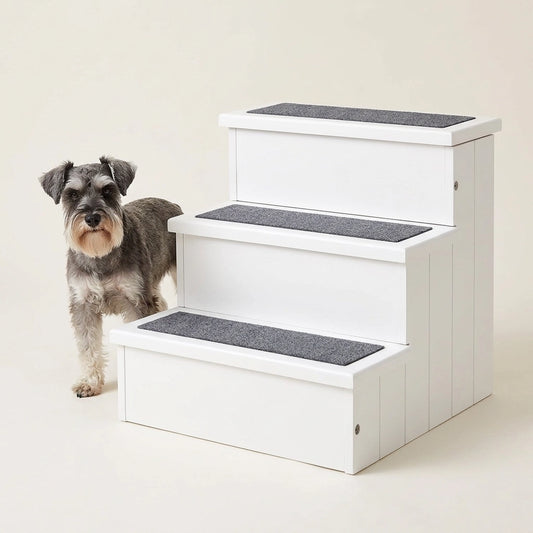
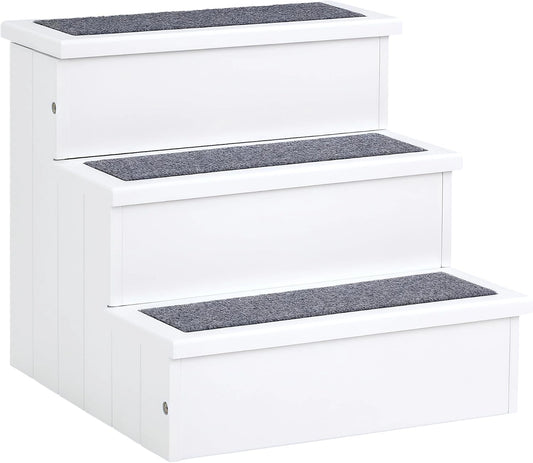
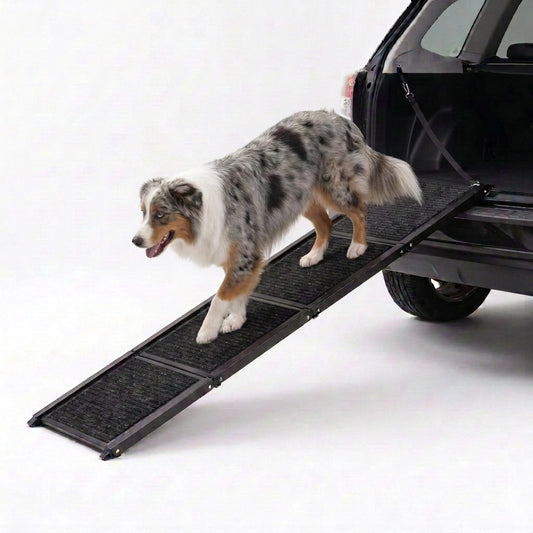
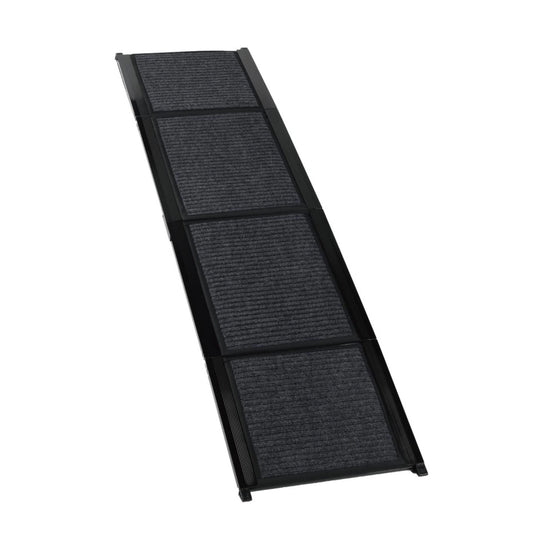

Start with Your Dog’s Current Abilities
Dogs recovering from similar procedures may need different access arrangements. Balance, strength, coordination, comfort, and the ability to control movement all matter.
Describe what you are seeing at home without repeatedly testing difficult movements. Mention hesitation, slipping, trouble standing, or difficulty turning.
A ramp’s weight rating cannot tell you whether your dog can use it comfortably or maintain control. Ask your veterinary team to assess the movement itself, not simply the product’s capacity.
If ramp use is not appropriate, request guidance on another way to manage necessary access.
Bring Measurements to the Conversation
Specific details make an access discussion more useful. Measure the destination height and the clear floor or ground space available in front of it.
Bring the ramp’s dimensions, intended use, and manufacturer’s setup instructions. Photographs of the destination and supporting contact points can also help explain the arrangement.
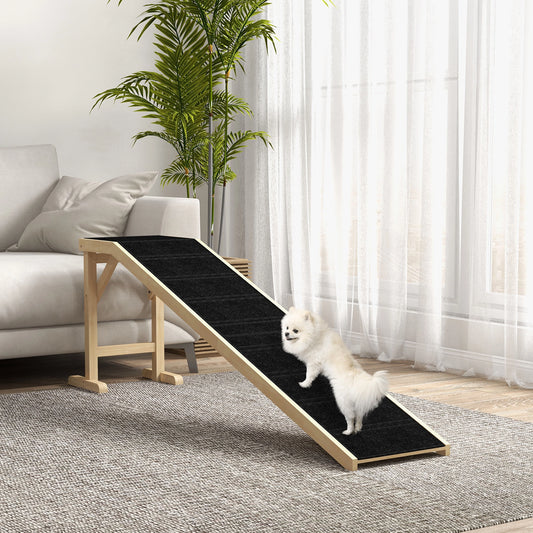
At the same destination height, a longer ramp generally creates a gentler incline but needs more space. Width and the transition at the top matter, too.
Ask which features are relevant to your dog rather than assuming a longer or wider product solves every concern.
Prepare the Actual Location
Once ramp use is approved, prepare the location according to the product instructions and your veterinary team’s guidance.
The ramp needs suitable supporting surfaces, secure contact points, and enough room for a controlled approach and exit. Keep the surrounding route clear of clutter and other pets.
Do not add blocks, furniture, or improvised supports to change the height. Avoid leaving a gap that requires your dog to jump between the ramp and the destination.
If you cannot position the equipment as directed, pause and ask about a different arrangement.
Plan Vehicle Access Separately
A home setup does not automatically translate to the car. Vehicle entry height, available parking space, and the intended contact points can be different.
Explain which door or opening you plan to use and where you normally park. Ask how your dog should be assisted at both ends of the transfer.
Park securely on level ground and follow the ramp’s attachment instructions. If the ground or available space differs from the arrangement that was assessed, reconsider before proceeding.
Do not improvise a new transfer method because the usual parking spot is unavailable.
Discuss Support Harnesses Before Combining Equipment
A ramp creates an inclined walking surface. A support harness may provide a way to assist your dog when the specific product and handling method are appropriate.
Combining the two requires more than finding a convenient handle. Ask which harness, if any, suits the plan and how assistance should be provided.
Do not lift by a collar or assume every harness handle is intended to carry body weight. Braces, wraps, and elastic bandages are not substitutes for lifting equipment.
Request a demonstration if you are unsure how to provide the recommended support.


Wheelchairs Need Their Own Assessment
A dog wheelchair used on level ground is not automatically suitable for a ramp. Wheel spacing, frame clearance, balance, and the upper transition can affect the arrangement.
Before combining a wheelchair with a ramp, ask for an assessment of the dog, both pieces of equipment, and the actual location.
Ask whether the wheelchair should be removed for transfers or whether another access method is needed. This is especially important when your dog cannot control the movement independently.
Do not use repeated attempts to work out an uncertain handling technique.
Keep Approved Introductions Calm
If your veterinary team approves practice, ask how much is appropriate and which movements to avoid. Recovery is not the time to follow a general training schedule without considering restrictions.
Use a quiet setting, gentle encouragement, and familiar rewards if permitted. Do not pull your dog forward, push from behind, or place them halfway up the ramp.
Going up and coming down are separate tasks. Make sure the plan addresses both directions and provides a suitable way to return.
Know When to Stop
Stop an attempt if your dog shows pain, distress, slipping, unusual fatigue, or loss of control. Do not keep practicing a movement they are struggling to complete.
Contact your veterinary team about difficulties instead of changing the equipment or assistance yourself. Ask when the access plan should be reviewed as recovery progresses.
Continue checking the ramp’s condition and position. A familiar setup still needs inspection before use.
Let the Recovery Plan Lead
Using a dog ramp during recovery begins with an individual decision, not a general promise that ramps make every transfer easier.
Choose equipment around your dog’s approved activities, the real environment, and the assistance you can provide. When the plan is clear, everyday access becomes something you can prepare for thoughtfully rather than figure out in the moment.


Explore more:
🔎 EXPLORE MORE OPTIONS
Browse All Dog Ramps & Stairs
Find a ramp or set of stairs that fits your dog's everyday routine.
View All Dog Ramps & Stairs
📏
Compare Sizes & Features
🚗
Home & Vehicle Access
🐾
Options for Your Routine


