
By BarkLoyal Team · December 1, 2025
Dog Ramps vs. Pet Stairs: Finding the Right Fit for Your Dog
A Little Less Jumping. More Everyday Togetherness.
Your dog waits beside the couch, ready to settle into their favorite spot. Or they pause at the open car door before your next outing. These everyday moments can raise a practical question: would a dog ramp or pet stairs be the better fit?
Both provide an alternative to jumping, but they ask your dog to move differently. Choosing between them starts with your dog's abilities, the destination height, and the space available. The most useful option is not necessarily the smallest, longest, or highest-rated product. It is the one that fits your actual routine.
What Is the Difference Between Ramps and Stairs?
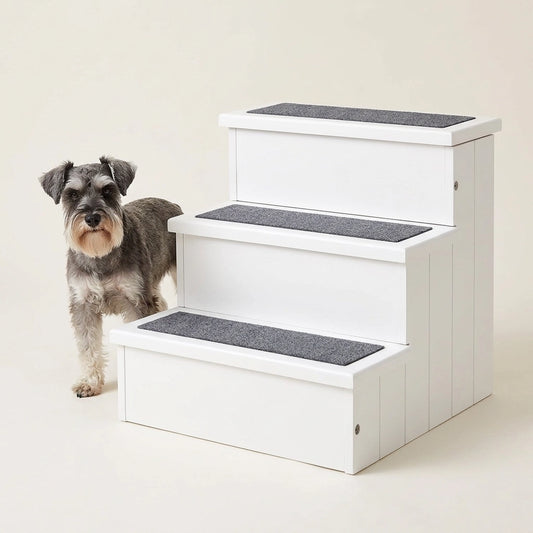
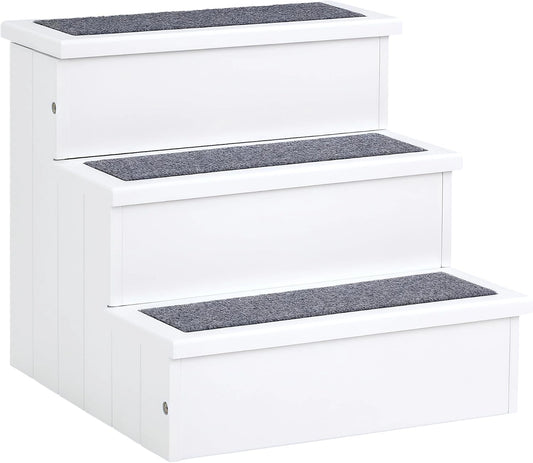
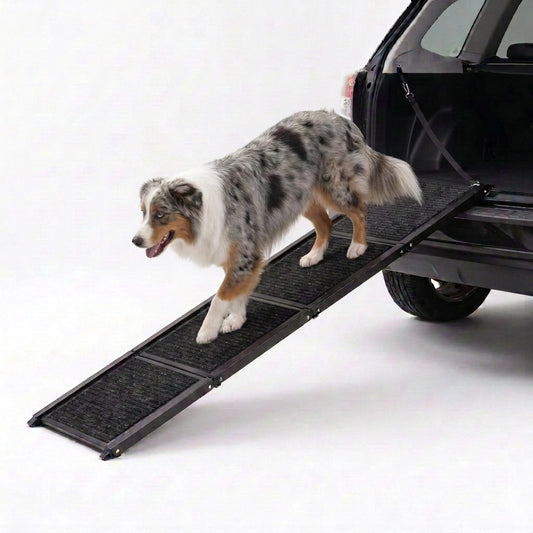
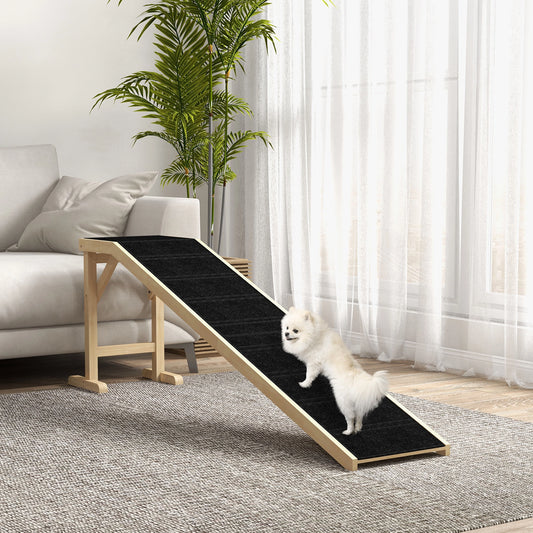
A dog ramp creates a continuous inclined walking surface. Pet stairs divide the climb into individual steps.
A ramp requires your dog to walk uphill or downhill while maintaining their footing. Stairs require them to lift their legs and negotiate repeated changes in height. Either option also involves stepping onto the product and making a controlled transition at the top.
Neither is automatically easier for every dog. A steep ramp can be challenging, while stairs with tall or shallow steps may be difficult to navigate comfortably. Product dimensions matter just as much as the category name.
Related Products

Start with How Your Dog Moves
Consider your dog's balance, coordination, walking width, and confidence around unfamiliar surfaces. Can they lift their legs comfortably? Do they hesitate on steps? Are they comfortable approaching an incline?
Observe without repeatedly asking your dog to perform a difficult movement. If they have pain, weakness, or a recent change in mobility, ask your veterinarian about appropriate activity before choosing equipment.
An access product should fit your dog's needs, not encourage them to push through discomfort. Breed and age can provide context, but neither replaces an individual assessment.
Measure the Destination and Available Space
Measure from the floor or ground to the intended upper contact point. Then check how much clear space is available in front of it.
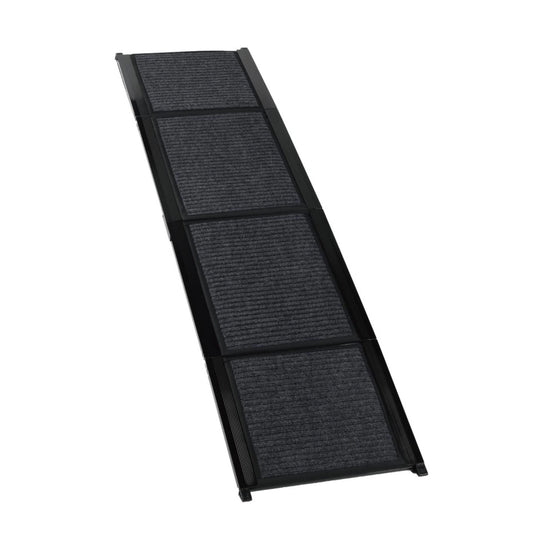
For ramps, compare the unfolded length, width, and support requirements. At the same entry height, a longer ramp creates a gentler incline but needs more ground space.
For stairs, check total height, individual step height, tread depth, and width. Pay attention to the transition at the top. Your dog should not need an awkward leap to reach the destination.
Also check whether the listed width describes the overall product or the usable walking surface.
Choose for the Setting
A vehicle ramp and furniture stairs are not interchangeable simply because they reach a similar height.
Vehicle access requires suitable contact points and a secure setup on the ground. Furniture-access products need a stable position beside the bed or couch and enough room for your dog to approach.
Check the product's intended use and supplied instructions. Do not place equipment on extra blocks or improvise supports to make it reach higher.
Consider doors, nearby furniture, and household foot traffic. A product that fits the measurements can still be inconvenient if it blocks the route your dog needs.
Look Beyond Weight Capacity
The rated load is important, but it is only one part of the decision.
A product may support your dog's weight while still being too narrow, steep, or difficult for them to use. Compare dimensions and movement requirements instead of selecting by weight alone.
Your routine matters, too. If you will move the product regularly, check its weight and folded dimensions. Consider whether you can comfortably position it, attach any required tether, and store it after use.
A convenient handle does not change the product's actual weight or eliminate the need for careful placement.


Check Surface and Construction Details
Look at the walking surface, supporting feet, folding joints, and contact points. Different products use different materials and structures, so follow the instructions for the specific model.
A textured surface does not guarantee footing in every condition. Dirt, moisture, incline, and your dog's movement can affect the crossing.
Inspect portable equipment after transport and check that folding sections are fully positioned before use. Stop using a product if its structure, walking surface, or attachment hardware is damaged.
Introduce the Product Gradually
Allow your dog to investigate before asking them to climb. Use calm encouragement, familiar rewards, and short supervised sessions.
For a portable ramp, starting flat can help your dog explore the surface before an incline is introduced, provided the manufacturer's instructions allow it. For stairs, begin with a comfortable approach to the lower step.
Never pull, push, or force your dog to complete a crossing. Repeated hesitation may mean the introduction needs more time, or the product and setup need reconsideration.
Check Both Directions Before Making It Routine
A successful climb does not automatically mean your dog can comfortably come back down. Supervise both directions and watch the transitions.
Leave enough space for your dog to step away without immediately turning around an obstacle. Keep other pets clear during practice, especially when the access route is narrow.
The Right Fit Is Personal
The best choice suits your dog's abilities and fits securely into your daily life. Measure carefully, review the individual specifications, and make sure the intended setup follows the product instructions.
Explore BarkLoyal's Ramps & Stairs collection to compare options for vehicle and furniture access. Start with the dog who will use the product, then choose the equipment around their needs.
Always Together. Step by Step.


Explore more:
🔎 EXPLORE MORE OPTIONS
Browse All Dog Ramps & Stairs
Find a ramp or set of stairs that fits your dog's everyday routine.
View All Dog Ramps & Stairs
📏
Compare Sizes & Features
🚗
Home & Vehicle Access
🐾
Options for Your Routine


