
By BarkLoyal Team · September 1, 2025
The Complete Guide to Dog Wheelchairs: Everything You Need to Know
When your beloved canine companion begins to struggle with mobility, it can be heartbreaking to watch. Whether due to age, injury, or a congenital condition, loss of mobility doesn't mean the end of your dog's active, joyful life. Dog wheelchairs have revolutionized the way we care for pets with mobility challenges, offering them a second chance at running, playing, and exploring the world with confidence.
This comprehensive guide will walk you through everything you need to know about choosing and using a dog wheelchair, ensuring your furry friend gets the support they deserve.
Understanding Dog Wheelchairs
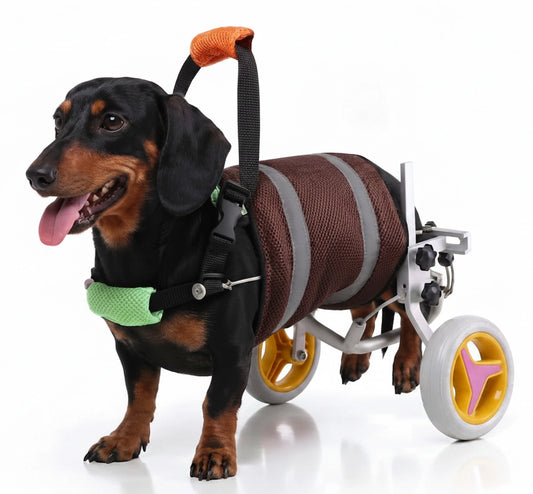
A dog wheelchair, also known as a dog cart or K9 cart, is a mobility aid designed to support dogs who have difficulty walking due to injury, illness, or age-related conditions. These devices work by supporting the dog's weakened or paralyzed limbs while allowing them to move using their stronger legs.
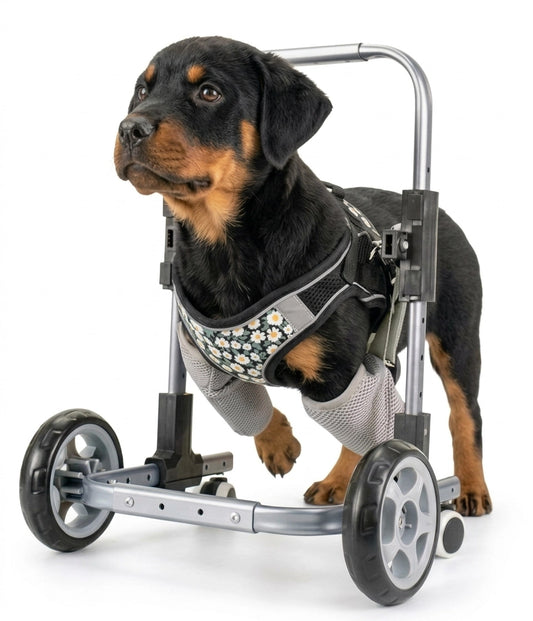
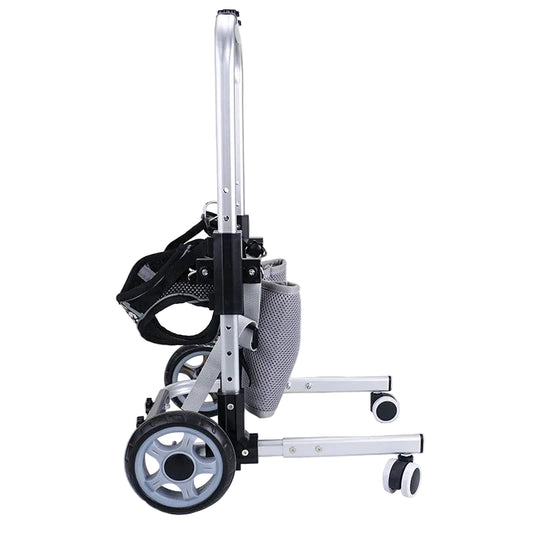
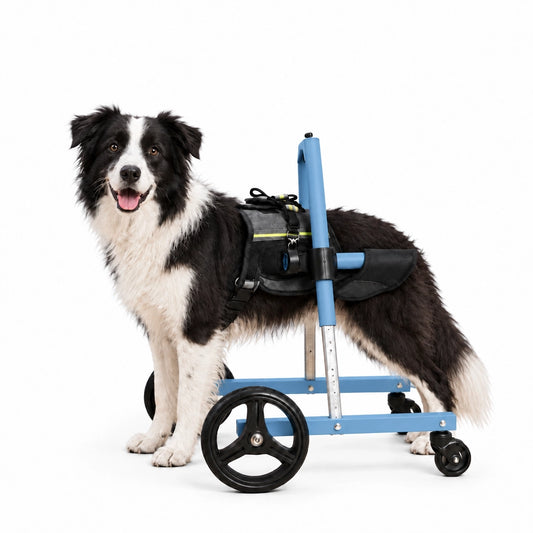
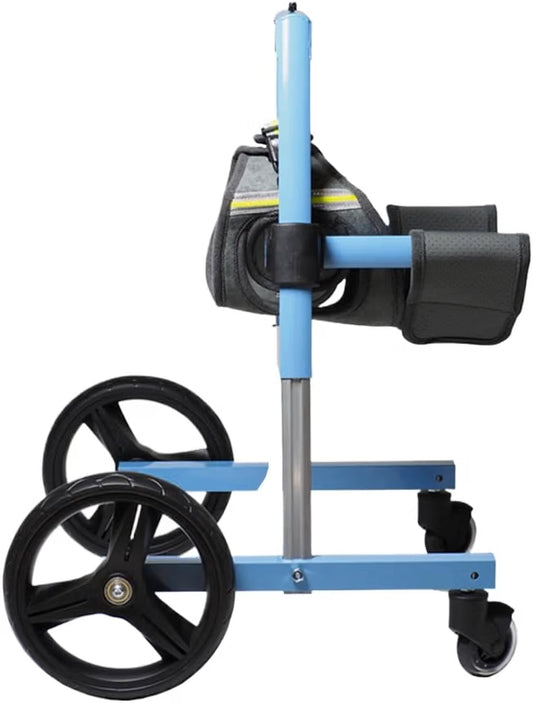
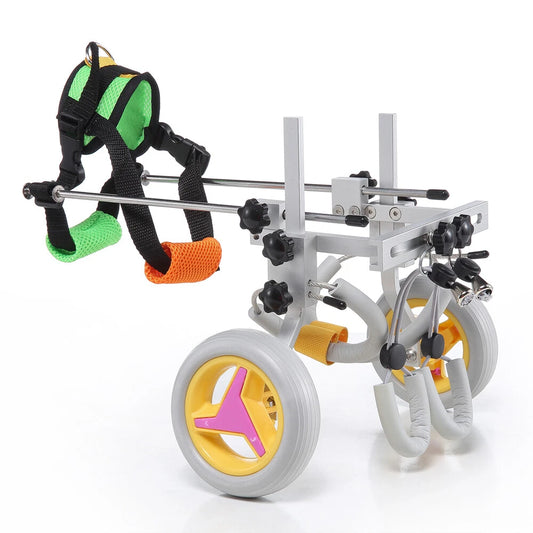
Modern dog wheelchairs are lightweight, adjustable, and designed with your pet's comfort in mind. They typically feature aluminum frames, padded harnesses, and wheels that allow for smooth movement across various terrains.
Who Needs a Dog Wheelchair?
Dog wheelchairs can benefit pets suffering from a wide range of conditions:
Degenerative Myelopathy (DM): A progressive disease affecting the spinal cord, common in German Shepherds and Corgis, leading to hind leg weakness and eventual paralysis.
Intervertebral Disc Disease (IVDD): A condition where the cushioning discs between vertebrae herniate or rupture, causing pain and mobility loss, particularly common in Dachshunds and other long-backed breeds.
Hip Dysplasia: A genetic condition where the hip joint doesn't develop properly, causing pain and difficulty walking, especially in larger breeds.
Arthritis: Age-related joint degeneration that makes movement painful and difficult.
Amputation: Dogs who have lost one or more limbs due to injury or cancer can benefit from the additional support.
Post-Surgical Recovery: Temporary wheelchair use can aid in rehabilitation following orthopedic surgery.
Neurological Conditions: Strokes, spinal injuries, or other neurological issues that affect coordination and strength.
Related Products
Types of Dog Wheelchairs
Rear Support Wheelchairs
The most common type, rear support wheelchairs are designed for dogs with hind leg weakness or paralysis. The wheelchair supports the back legs and hips while the dog uses their front legs to pull themselves forward. This type is ideal for conditions like DM, IVDD, and hip dysplasia.
Front Support Wheelchairs
Less common but equally important, front support wheelchairs help dogs with front leg weakn ess. These are useful for dogs recovering from front leg injuries or those with conditions affecting the forelimbs.
Full Support (Quad) Wheelchairs
For dogs with weakness in all four legs, full support wheelchairs provide comprehensive assistance. These are typically used for dogs with advanced neurological conditions or severe arthritis affecting all limbs.
Combination Wheelchairs
Some wheelchairs are designed to be convertible, allowing you to adjust the support level as your dog's condition changes. This versatility can be cost-effective for progressive conditions.
Key Features to Look For
When selecting a dog wheelchair, consider these essential features:
Adjustability: Look for wheelchairs with multiple adjustment points to ensure a perfect fit as your dog's needs change.
Weight: Lightweight aluminum frames are easier for your dog to maneuver and for you to transport.
Wheel Size: Larger wheels handle rough terrain better, while smaller wheels are more maneuverable indoors.
Harness Quality: Padded, breathable harnesses prevent chafing and ensure comfort during extended use.
Durability: High-quality materials and construction ensure the wheelchair will last through daily use.
Ease of Assembly: Quick-release mechanisms make it easier to put the wheelchair on and take it off.
Getting the Right Fit
Proper fit is crucial for your dog's comfort and the wheelchair's effectiveness. Most manufacturers provide detailed measuring guides, but here are the basics:
• Length: Measure from the base of the neck to the base of the tail
• Height: Measure from the ground to the hip or shoulder (depending on wheelchair type)
• Width: Measure the widest part of your dog's chest or hips
• Weight: Accurate weight ensures proper wheel size and frame strength.
Many companies offer custom-built wheelchairs for dogs with unique body shapes or special needs.
Introducing Your Dog to Their Wheelchair
The transition to using a wheelchair requires patience and positive reinforcement:
1. Start Slowly: Let your dog sniff and investigate the wheelchair before putting it on
2. Short Sessions: Begin with 5-10 minute sessions, gradually increasing duration
3. Positive Reinforcement: Use treats and praise to create positive associations
4. Supervised Use: Always supervise your dog during wheelchair use, especially initially
5. Indoor Practice: Start in a familiar, obstacle-free environment before venturing outside
Most dogs adapt within a few days to a couple of weeks, and many show immediate excitement at their newfound mobility.


Maintenance and Care
To ensure your dog's wheelchair remains safe and functional:
• Regularly check all bolts and connections for tightness
• Clean the frame and wheels after outdoor use
• Inspect the harness for wear and wash it regularly
• Lubricate moving parts as recommended by the manufacturer
• Store the wheelchair in a dry place when not in use
The Emotional Benefits
Beyond the physical support, dog wheelchairs provide tremendous emotional and psychological benefits. Dogs are naturally active creatures, and mobility loss can lead to depression and decreased quality of life. A wheelchair restores independence, allowing your dog to:
• Explore their environment
• Interact with other dogs
• Exercise and maintain muscle tone
• Participate in family activities
• Maintain dignity and confidence
Conclusion
A dog wheelchair is more than just a mobility aid—it's a tool that can transform your dog's life, giving them back the freedom and joy of movement. While the initial adjustment period requires patience, the reward of seeing your dog run, play, and explore again is immeasurable.
By understanding the types of wheelchairs available, knowing what features to look for, and ensuring proper fit and introduction, you can make an informed decision that will enhance your dog's quality of life for years to come.


Explore more:
🔍 EXPLORE MORE OPTIONS
Browse All Dog Wheelchairs Products
Compare sizes, features, and find the perfect mobility solution for your dog's needs.
View All Wheelchairs Products
🛡️
Adjustable & Customizable
💪
Lightweight & Durable
🐕
Veterinarian Approved


