
By BarkLoyal Team · December 1, 2025
Senior Dog Care Basics
As our beloved canine companions enter their golden years, their needs evolve significantly. Understanding and adapting to these changes is essential for ensuring your senior dog enjoys a comfortable, healthy, and happy life. This comprehensive guide covers everything you need to know about caring for aging dogs.
When Dogs Become Seniors
The transition to senior status varies considerably among dogs, primarily influenced by breed size and genetics. Generally, dogs are considered seniors around 7-8 years of age, though larger breeds may reach this milestone earlier, sometimes as young as 5-6 years. Smaller breeds often enjoy a longer youth, not entering their senior years until 10-12 years old. Watch for telltale signs including graying fur around the muzzle and face, reduced energy levels, increased sleeping, stiffness after rest, changes in appetite, and shifts in behavior or temperament.
Physical Changes in Aging
Aging affects dogs in numerous ways, and understanding these changes helps you provide better care. Joint stiffness and arthritis become increasingly common, making movement more challenging and sometimes painful. Muscle mass naturally decreases with age, reducing strength and endurance. Vision and hearing often decline, requiring adjustments in how you communicate and interact. Dental issues become more prevalent, potentially affecting eating habits and overall health. The immune system weakens, making senior dogs more susceptible to illness. Metabolism slows down, often leading to weight gain if diet and exercise aren't adjusted accordingly.
Daily Care Essentials
Establishing consistent, gentle routines becomes increasingly important as dogs age. Exercise remains crucial but should be modified to match reduced stamina and joint health. Shorter, more frequent walks are preferable to long, strenuous outings. Swimming and gentle play provide excellent low-impact activity. Always watch for signs of fatigue or discomfort and adjust accordingly.
Nutrition requires careful attention in senior years. Many older dogs benefit from senior-specific formulas with adjusted protein, fat, and calorie levels. Smaller, more frequent meals can aid digestion and prevent bloating. Elevated feeding bowls reduce neck and joint strain during meals. Fresh water should always be readily available, as hydration becomes increasingly important with age.
Related Products
Health Monitoring
Regular veterinary check-ups become even more critical for senior dogs. Most veterinarians recommend bi-annual visits for aging pets, allowing early detection of common senior health issues. Between visits, monitor your dog closely for changes in appetite, water consumption, bathroom habits, energy levels, mobility, breathing patterns, and behavior. Any significant changes warrant a veterinary consultation.
Common health concerns in senior dogs include arthritis and joint disease, dental disease, kidney and liver problems, heart disease, diabetes, cancer, and cognitive dysfunction. Early detection and management of these conditions can significantly improve quality of life and longevity.
Creating a Senior-Friendly Home
Adapting your living space to accommodate your aging dog's needs demonstrates love and improves their daily comfort. Orthopedic bedding provides essential joint support and pressure relief. Place beds in quiet, easily accessible areas away from stairs and high-traffic zones. Non-slip flooring or rugs prevent dangerous falls on slippery surfaces. Ramps or steps help dogs access favorite furniture or vehicles without jumping. Night lights assist dogs with declining vision navigate safely after dark.
Temperature regulation becomes more challenging for senior dogs. Ensure comfortable ambient temperatures, provide warm bedding in cooler months, and offer cooling mats during warmer weather. Keep food and water bowls at comfortable heights to reduce neck and back strain.
Grooming and Hygiene
Senior dogs often need extra grooming attention. Regular brushing prevents matting and stimulates circulation, while also providing an opportunity to check for lumps, bumps, or skin issues. Nail trimming becomes more important as reduced activity means less natural wear. Dental care, including regular brushing and professional cleanings, prevents painful dental disease. Bathing should use gentle, moisturizing products suitable for aging skin.
Mental Stimulation
Cognitive health deserves as much attention as physical health. Keep your senior dog mentally engaged with puzzle toys and gentle training exercises. Maintain social interaction with family members and, if appropriate, other friendly dogs. Stick to familiar routines that provide security and reduce anxiety. Continue showing affection and spending quality time together.
Some senior dogs experience cognitive dysfunction syndrome, similar to dementia in humans. Signs include disorientation, changes in sleep patterns, house-training accidents, and altered interactions with family members. If you notice these symptoms, consult your veterinarian about management strategies.


Mobility Support
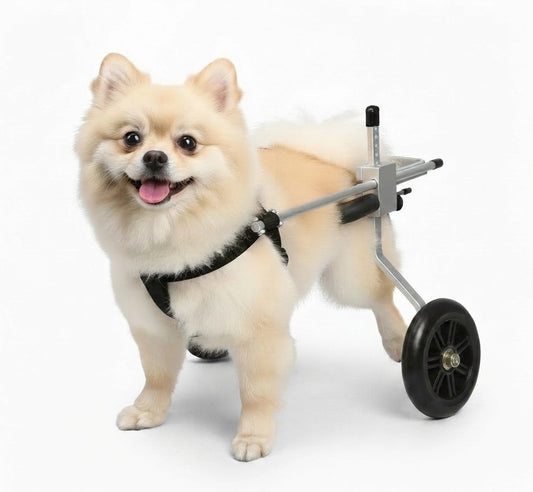
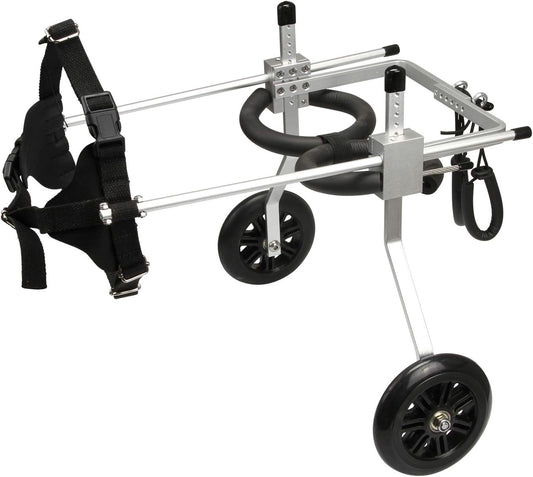
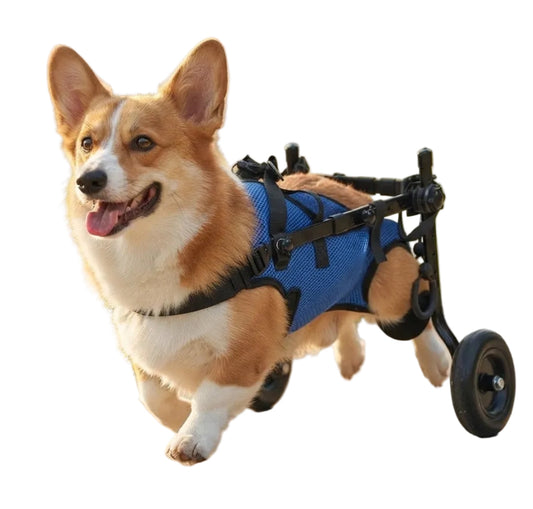
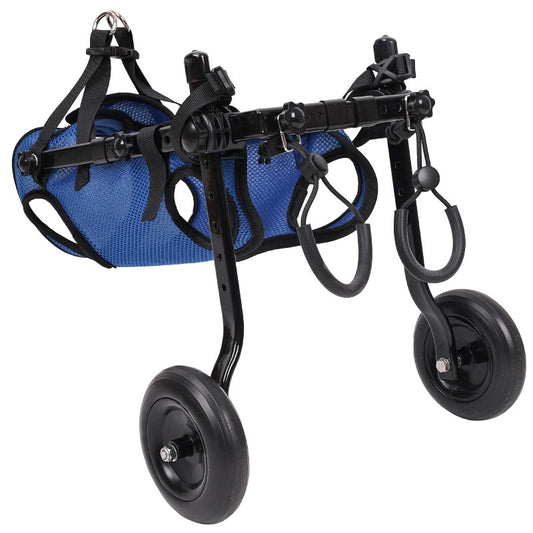
As mobility decreases, various aids can help maintain independence and quality of life. Supportive harnesses assist with standing, walking, and navigating stairs. Wheelchairs or carts enable dogs with severe rear leg weakness to remain mobile. Non-slip booties provide traction on smooth surfaces. Ramps eliminate the need for jumping or climbing.
Pain Management
Recognizing and addressing pain is crucial for senior dog welfare. Signs of pain include reluctance to move or climb stairs, limping or favoring certain legs, decreased appetite, excessive panting, restlessness or difficulty settling, and behavioral changes like increased irritability. Never give human pain medications to dogs. Instead, work with your veterinarian to develop an appropriate pain management plan, which might include prescription medications, supplements like glucosamine and chondroitin, physical therapy, acupuncture, or therapeutic massage.
Quality of Life
Regularly assess your senior dog's quality of life by considering their pain levels, appetite and hydration, mobility and independence, engagement with family and activities, and overall happiness. Honest conversations with your veterinarian about quality of life help ensure you're making the best decisions for your beloved companion.
Conclusion
Caring for a senior dog requires patience, adaptation, and dedication, but the rewards are immeasurable. These faithful companions have given us years of unconditional love and loyalty. By understanding their changing needs and providing appropriate care, we can ensure their golden years are filled with comfort, dignity, and joy. Every senior dog deserves to age gracefully, surrounded by the love and support of their family.


Explore more:
🔍 EXPLORE MORE OPTIONS
Browse All Dog Senior Products
Find the perfect comfort solutions for your senior dog.
View All Senior Products
💤
Orthopedic Support
🦴
Gentle & Safe
🐕🦺
Age-Appropriate Design


