
By BarkLoyal Team · December 1, 2025
Senior Cat Care - Supporting Your Aging Feline's Comfort and Mobility
Introduction
Watching your beloved cat enter their golden years is bittersweet. While senior cats bring wisdom, calm companionship, and deep bonds, they also face age-related challenges that require our understanding and support. Cats are considered seniors around age 11, and geriatric after 15. With proper care, many cats live well into their late teens or early twenties. This guide will help you provide the comfort, mobility support, and specialized care your aging cat deserves.
Recognizing the Signs of Aging
Senior cats experience changes that affect their daily life:
Physical Changes
• Decreased mobility and flexibility
• Arthritis in joints
• Muscle loss and weight changes
• Dental issues
• Vision and hearing decline
• Thinner, less lustrous coat
Behavioral Changes
• Sleeping more (up to 20 hours daily)
• Less playful or active
• Increased vocalization
• Litter box accidents
• Confusion or disorientation
• Changes in appetite
Understanding these changes helps you adapt their environment and care routine appropriately.
Related Products
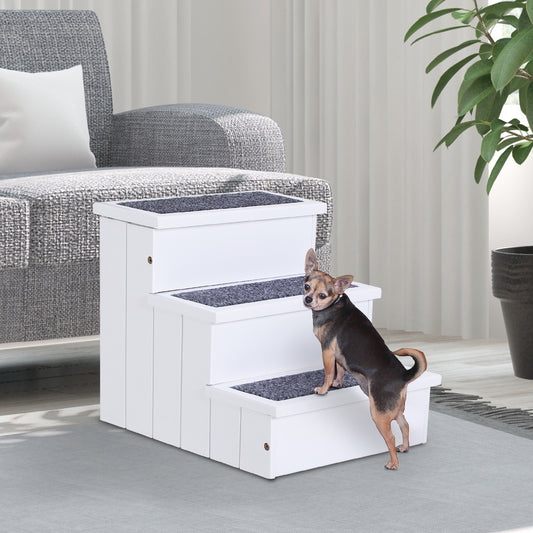

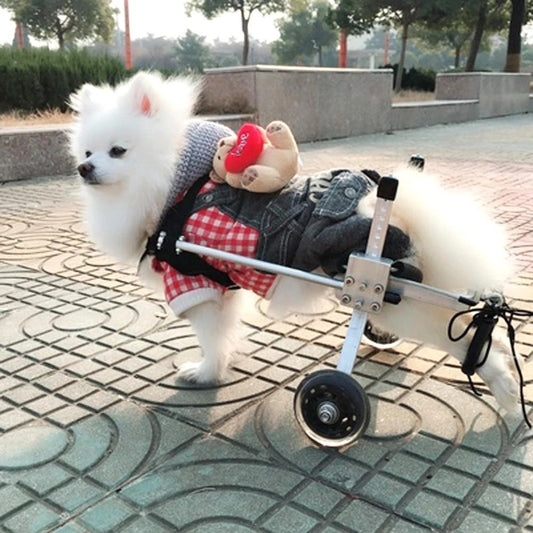
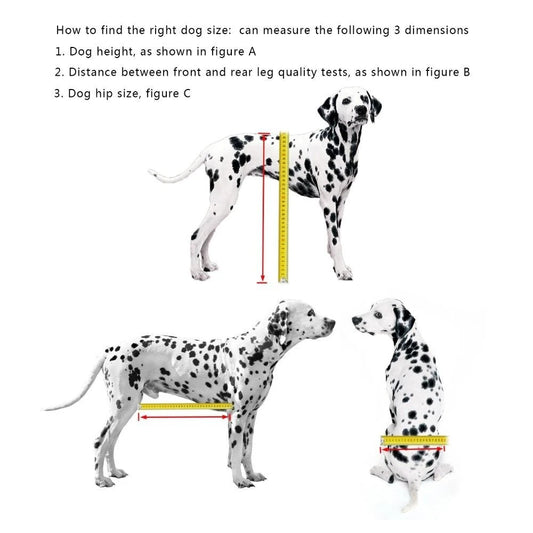


Mobility Support for Aging Cats
Arthritis and Joint Pain Up to 90% of cats over 12 have arthritis, though they hide pain well.
Watch for:
• Hesitation before jumping
• Difficulty using stairs
• Stiffness after resting
• Reduced grooming (especially hindquarters)
• Irritability when touched
Creating a Senior-Friendly Home
• Add ramps or steps to favorite perches
• Place litter boxes on every floor
• Use low-sided litter boxes for easy entry
• Provide orthopedic beds in warm, quiet spots
• Keep food and water easily accessible
• Add non-slip mats on slippery floors
Nutrition for Senior Cats
Aging cats have different nutritional needs:
Protein Requirements - Senior cats actually need MORE high-quality protein to maintain muscle mass, not less. Look for senior formulas with easily digestible proteins.
Hydration - Older cats are prone to kidney disease and dehydration. Encourage water intake with:
• Multiple water stations
• Fountain-style water bowls
• Wet food (75% water content)
• Low-sodium broth added to meals
Feeding Adjustments
• Elevate food bowls to reduce neck strain
• Warm food slightly to enhance aroma
• Offer smaller, more frequent meals
• Consider softer foods if dental issues exist
Grooming Your Senior Cat
Arthritis makes self-grooming difficult. Your aging cat needs your help to stay clean and comfortable:
Daily Gentle Brushing - Use soft brushes and work slowly, being mindful of sore joints and sensitive skin. Focus on areas they can no longer reach, lower back, hindquarters, and behind the ears.
Mat Prevention - Senior cats are prone to mats due to reduced grooming. Check daily and gently work through any tangles before they become painful.
Nail Care - Older cats are less active, so nails don't wear down naturally. Trim regularly to prevent overgrowth and ingrown nails.
Health Monitoring and Vet Care
Senior cats need more frequent veterinary attention:
Biannual Check-Ups - Visit the vet every 6 months for:
• Physical examination
• Blood work (kidney and thyroid function)
• Blood pressure monitoring
• Dental assessment
• Weight tracking
Common Senior Cat Conditions
• Chronic kidney disease
• Hyperthyroidism
• Diabetes
• Dental disease
• Cancer
• Cognitive dysfunction
Early detection dramatically improves treatment outcomes.
Comfort and Quality of Life
Pain Management - Never assume pain is "just old age." Modern pain management can dramatically improve quality of life. Options include:
• Prescription pain medications
• Joint supplements (glucosamine, chondroitin)
• Omega-3 fatty acids
• Gentle massage
• Warm compress therapy
Mental Stimulation - Keep your senior cat's mind active:
• Gentle play sessions
• Puzzle feeders
• Window perches for bird watching
• Quality time and interaction
• New scents and textures to explore


Litter Box Considerations
Senior cats may struggle with litter boxes:
Accessibility
• Use low-entry boxes or cut down one side
• Place boxes on every floor
• Avoid covered boxes (harder to enter)
• Keep boxes in quiet, easily accessible locations
Accidents Aren't Spite Litter box accidents often indicate:
• Arthritis pain climbing in
• Cognitive dysfunction
• Kidney disease or diabetes
• Urinary tract issues
Never punish, investigate the underlying cause.
Cognitive Dysfunction in Cats
Like humans, cats can develop dementia. Signs include:
• Disorientation and confusion
• Altered sleep-wake cycles
• Increased vocalization (especially at night)
• Forgetting learned behaviors
• Staring at walls
• Decreased interaction
Supporting Cognitive Health
• Maintain consistent routines
• Provide night lights
• Offer reassurance and patience
• Consider supplements (omega-3s, antioxidants)
• Consult your vet about medications
End-of-Life Considerations
The hardest part of loving a senior cat is knowing when quality of life has declined beyond recovery. Work with your veterinarian to assess:
• Pain levels
• Ability to eat and drink
• Mobility and independence
• Interest in surroundings
• More good days than bad
Your vet can help you make this difficult decision with compassion and clarity.
Conclusion
Senior cats deserve our deepest respect and gentlest care. They've spent years bringing joy, comfort, and companionship into our lives. Now it's our turn to ensure their golden years are filled with comfort, dignity, and love. With proper support, environmental adaptations, and attentive care, your aging cat can continue to thrive and enjoy a high quality of life well into their twilight years.


Explore more:
🔍 EXPLORE MORE OPTIONS
Browse All Cat Products
Find the perfect care solution for your cat's wellbeing.
View All Cat Products
✨
Gentle & Safe for Cats
🐱
Cat-Specific Design
💚
Quality & Comfort Focused


