
By BarkLoyal Team · December 1, 2025
Puppy Grooming Basics
Bringing home a new puppy is an exciting adventure filled with cuddles, playtime, and plenty of learning moments. One of the most important habits you can establish early is a proper grooming routine. While your fluffy bundle of joy might not need extensive grooming right away, starting early creates positive associations that will last a lifetime.
Why Start Grooming Early?
Puppies have a critical socialization window between 3 and 14 weeks of age when they're most receptive to new experiences. Introducing grooming during this period helps your puppy view it as a normal, even enjoyable part of life rather than something scary or stressful. Early grooming sessions aren't just about keeping your puppy clean, they're about building trust, establishing routines, and preventing future behavioral issues.
When puppies learn that grooming involves gentle touches, treats, and positive attention, they're far more likely to cooperate as adults. This makes veterinary visits easier, reduces stress during professional grooming appointments, and strengthens the bond between you and your dog.
Essential Grooming Tools for Puppies
Before you begin, gather puppy-appropriate grooming supplies. Unlike adult dogs, puppies have delicate skin and softer coats that require gentler tools. A soft-bristle brush or rubber grooming mitt works perfectly for most puppy coats, providing gentle stimulation without irritating sensitive skin.
For bath time, choose a mild, puppy-formulated shampoo that won't strip natural oils or cause irritation. Puppy nail clippers or a grinder designed for small nails will help you maintain proper nail length without causing discomfort. Don't forget cotton balls for ear cleaning and a soft towel for drying.
Creating a Positive Grooming Experience
The key to successful puppy grooming is patience and positivity. Start with very short sessions, just a few minutes at first, and gradually increase duration as your puppy becomes more comfortable. Always end on a positive note, even if you haven't completed the full grooming task.
Choose a quiet, comfortable space free from distractions. Speak in a calm, soothing voice throughout the process, and offer plenty of praise and small treats for good behavior. If your puppy becomes anxious or resistant, take a break and try again later. Forcing the issue can create negative associations that are difficult to overcome.
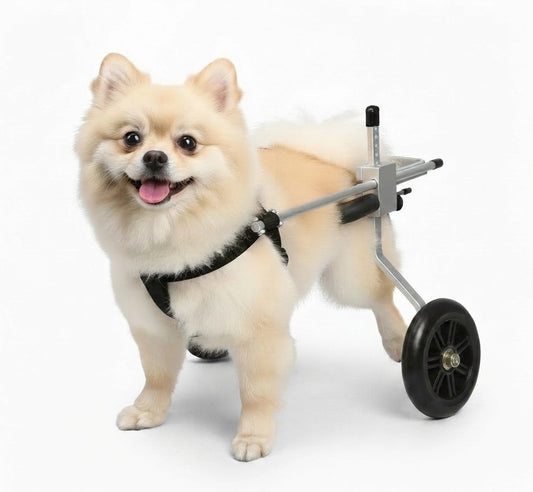
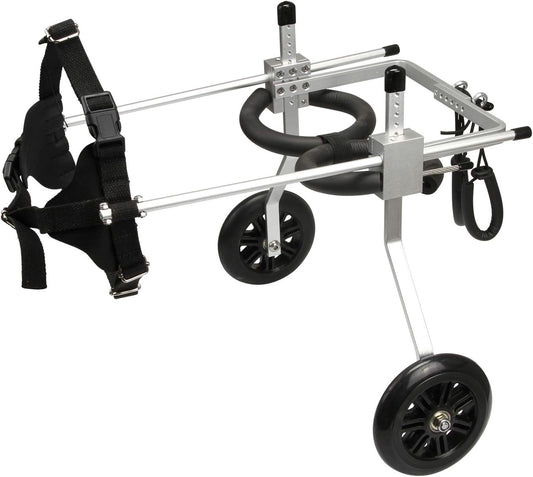
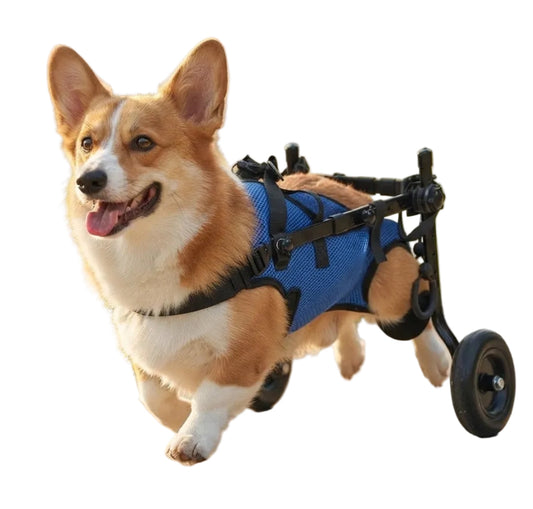
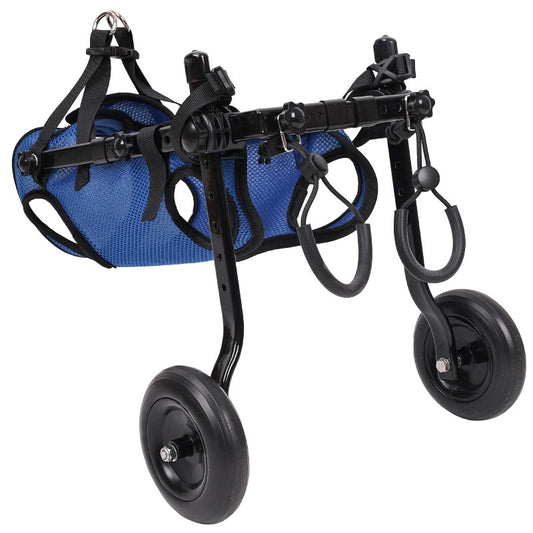
Related Products
Brushing Basics
Even if your puppy has a short coat, regular brushing provides numerous benefits. It removes loose fur, distributes natural oils, stimulates blood flow to the skin, and helps you check for any unusual bumps, parasites, or skin issues. Most importantly, it gets your puppy accustomed to being handled and touched all over their body.
Start by gently running your hands over your puppy's body, getting them used to being touched on their back, legs, belly, and tail. Then introduce the brush, using slow, gentle strokes in the direction of hair growth. Pay special attention to areas that will need regular grooming as an adult, such as behind the ears, under the legs, and around the tail.
For long-haired breeds, introduce a comb early to prevent future matting issues. Work through the coat gently, never pulling or tugging on tangles. If you encounter a mat, work it out carefully with your fingers or a detangling spray designed for puppies.
Bath Time Success
Most puppies don't need frequent baths, once every 4-6 weeks is typically sufficient unless they get particularly dirty. Over-bathing can dry out delicate puppy skin and strip essential oils from their developing coat.
When bath time arrives, preparation is key. Gather all supplies beforehand so you're not leaving your puppy unattended. Use lukewarm water and test the temperature on your wrist before wetting your puppy. Start by wetting their body, avoiding the face and ears initially.
Apply a small amount of puppy shampoo and work it into a gentle lather, massaging it through the coat. Rinse thoroughly, leftover shampoo can cause skin irritation. For the face, use a damp washcloth to gently wipe around the eyes, nose, and mouth.
After the bath, wrap your puppy in a soft towel and gently pat them dry. Many puppies will have a burst of energy post-bath, so be prepared for some playful zoomies! If you plan to use a blow dryer eventually, introduce it gradually on the lowest, coolest setting, rewarding your puppy for staying calm.
Nail Care Fundamentals
Nail trimming often causes the most anxiety for both puppies and owners, but it's a crucial skill to master. Overgrown nails can cause discomfort, affect your puppy's gait, and even lead to joint problems over time.
Start by simply handling your puppy's paws regularly, gently pressing on each toe to extend the nail. Reward this cooperation with treats and praise. Once your puppy is comfortable with paw handling, introduce the nail clipper or grinder without actually trimming. Let them sniff it, hear the sound (if using a grinder), and associate it with positive experiences.
When you're ready to trim, start with just one or two nails per session. Trim only the very tip, avoiding the quick (the pink area inside the nail that contains blood vessels and nerves). For puppies with dark nails where the quick isn't visible, trim very conservatively. If you accidentally cut the quick and it bleeds, stay calm, apply styptic powder or cornstarch, and comfort your puppy.


Ear and Dental Care
Puppy ears should be checked weekly for dirt, debris, or signs of infection such as redness, odor, or excessive wax. Use a veterinarian-approved ear cleaning solution and cotton balls, never insert anything into the ear canal. Gently wipe the visible part of the ear, and reward your puppy for tolerating the process.
Dental care is equally important and often overlooked. Start touching your puppy's muzzle and lips, gradually working up to lifting the lips and touching the teeth and gums. Introduce a puppy toothbrush and dog-safe toothpaste, beginning with just a few teeth and building up to a full brushing routine.
Building a Grooming Schedule
Consistency is crucial for grooming success. Establish a regular schedule that fits your puppy's needs and your lifestyle. Daily brushing is ideal for long-haired breeds, while short-haired puppies might only need brushing 2-3 times per week. Check ears weekly, trim nails every 2-3 weeks, and bathe as needed.
Keep grooming sessions short and positive, especially in the beginning. Five minutes of happy, cooperative grooming is far more valuable than a stressful 20-minute session. As your puppy matures and becomes more comfortable, you can gradually extend the duration.
Conclusion
Puppy grooming is about much more than maintaining a clean, attractive coat. It's an investment in your dog's long-term health, comfort, and wellbeing. By starting early, using gentle techniques, and maintaining a positive attitude, you'll raise a dog who views grooming as quality bonding time rather than a dreaded chore. The patience and effort you invest now will pay dividends throughout your dog's life, making grooming a stress-free experience for both of you.


Explore more:
🔍 EXPLORE MORE OPTIONS
Browse All Puppy Products
Find the perfect care solutions for your growing puppy.
View All Puppy Products
🐾
Puppy-Safe Design
✨
Growth-Focused
🐕🦺
Beginner-Friendly


