
By BarkLoyal Team · December 1, 2025
Mobility Support for Senior Dogs
Watching a beloved dog struggle with mobility can be heartbreaking, but modern solutions offer remarkable support for aging and mobility-impaired dogs. From simple harnesses to sophisticated wheelchairs, a wide range of tools can help your senior dog maintain independence, dignity, and quality of life.
Understanding Mobility Decline
Mobility issues in aging dogs stem from various causes, each requiring different approaches to management. Arthritis and degenerative joint disease are the most common culprits, causing pain, stiffness, and reduced range of motion. Hip dysplasia, particularly in larger breeds, progressively worsens with age. Intervertebral disc disease affects the spine, sometimes causing partial or complete paralysis. Muscle atrophy from reduced activity creates a challenging cycle of weakness leading to less movement, which causes further weakness. Neurological conditions can impair coordination and balance.
Early Warning Signs
Recognizing mobility issues early allows for prompt intervention and better outcomes. Watch for difficulty rising from a lying position, hesitation before climbing stairs or jumping, limping or favoring certain legs, reduced interest in walks or play, stiffness, especially after rest, bunny-hopping gait in rear legs, dragging or knuckling of paws, and decreased muscle mass in the hind quarters.
If you notice any of these signs, consult your veterinarian for proper diagnosis and treatment recommendations before investing in mobility aids.
Harnesses and Slings
Harnesses and slings provide immediate, practical support for dogs with mobility challenges. Rear-support harnesses help lift and stabilize the hindquarters, ideal for dogs with rear leg weakness. Full-body harnesses distribute support across the entire body, useful for dogs with generalized weakness. Front-support harnesses assist dogs with front leg issues, though these are less common. Rehabilitation slings offer temporary support during recovery from surgery or injury.
When selecting a harness, ensure proper fit to prevent chafing or restriction, look for padded designs for comfort during extended use, choose handles positioned for your comfortable lifting height, and select durable, washable materials for longevity and hygiene.
Related Products
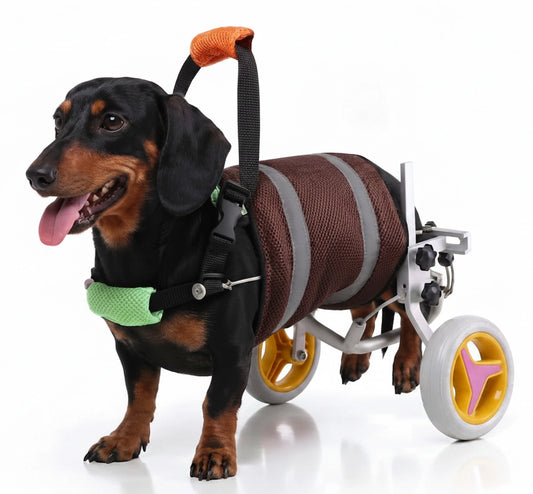
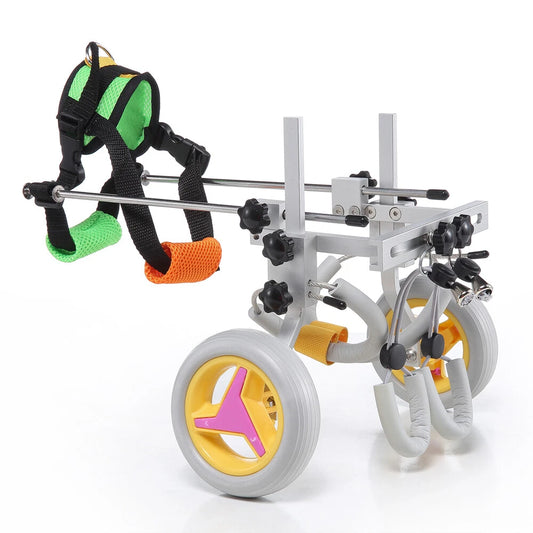
Wheelchairs and Carts
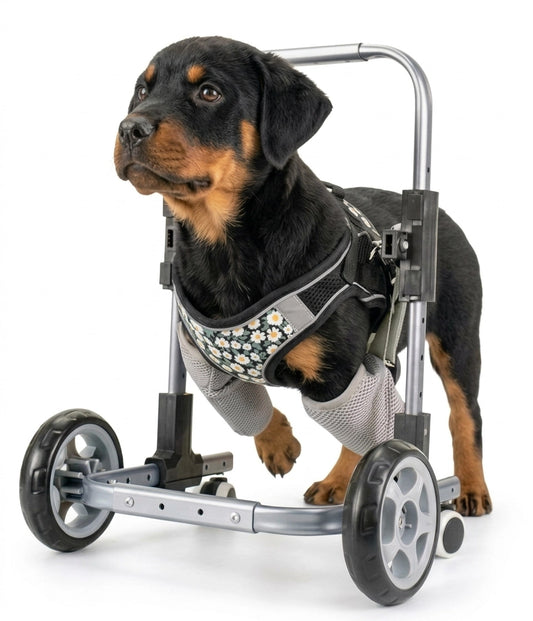
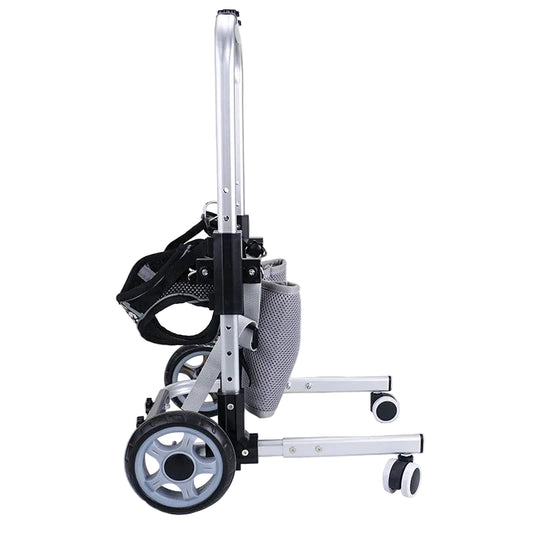
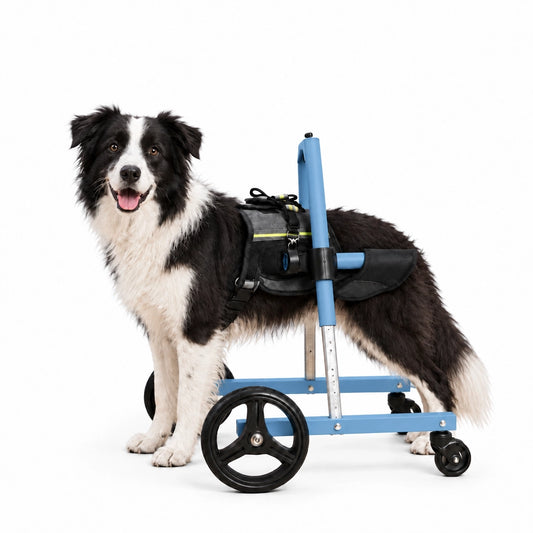
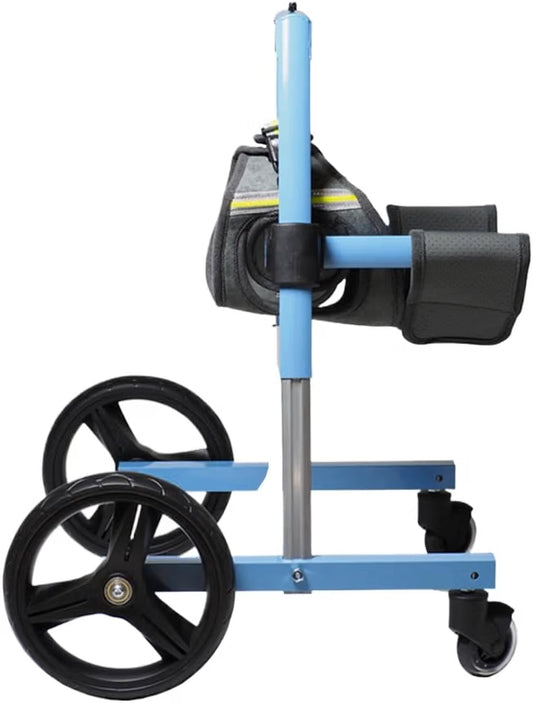
For dogs with significant rear leg weakness or paralysis, wheelchairs can be life-changing. These devices support the dog's rear end while allowing the front legs to provide propulsion, enabling continued mobility and exercise. Rear-support wheelchairs are most common, supporting hind legs while front legs walk normally. Four-wheel carts support dogs with weakness in all four legs. Adjustable models accommodate changing needs and multiple dogs.
Successful wheelchair use requires proper fitting by professionals or following manufacturer guidelines carefully, gradual introduction with short sessions and positive reinforcement, regular monitoring for any rubbing or discomfort, and maintenance including cleaning and checking for wear.
Ramps and Steps
Eliminating the need to jump protects joints and prevents injury. Ramps and steps help senior dogs access vehicles, furniture, and different levels of the home. Portable ramps work well for vehicle access and travel. Indoor ramps or steps help dogs reach beds or couches safely. Outdoor ramps provide access to yards with elevation changes.
Choose ramps with non-slip surfaces for secure footing, appropriate incline (not too steep), weight capacity exceeding your dog's weight, and stability that won't shift during use.
Paw Protection
Senior dogs often develop weakness that causes paw dragging or knuckling, leading to injury. Protective boots prevent scraping and provide traction on slippery surfaces. Non-slip boots help dogs maintain footing on hardwood, tile, or other smooth flooring. Protective boots shield paws from dragging-related abrasions. All-weather boots protect sensitive paws from hot pavement, ice, or salt.
Proper boot fit is essential. Boots should be snug but not tight, stay in place during movement, and allow normal paw flexion.
Physical Therapy
Professional physical therapy offers significant benefits for dogs with mobility issues. Hydrotherapy (water therapy) provides low-impact exercise that builds strength without stressing joints. Therapeutic massage reduces muscle tension and improves circulation. Range-of-motion exercises maintain joint flexibility. Balance and coordination training helps dogs with neurological issues. Laser therapy reduces inflammation and promotes healing.
Many veterinary practices now offer rehabilitation services, or can refer you to certified canine rehabilitation therapists.
Home Modifications
Simple environmental changes can dramatically improve your senior dog's ability to navigate independently. Install non-slip flooring or rugs throughout the home, especially on stairs. Remove obstacles and clutter from pathways. Provide orthopedic beds in multiple locations to reduce travel distance. Use baby gates to block access to stairs if necessary. Ensure adequate lighting for dogs with vision problems. Keep food, water, and favorite resting spots on the main living level.


Exercise Guidelines
Appropriate exercise remains important even for dogs with mobility challenges. Movement maintains muscle mass, supports joint health, prevents weight gain, and provides mental stimulation. However, exercise must be carefully managed. Keep walks short and frequent rather than long and infrequent. Choose soft surfaces like grass over concrete when possible. Allow your dog to set the pace. Watch for signs of fatigue or pain. Consider swimming or hydrotherapy for excellent low-impact exercise.
Pain Management
Mobility issues often involve pain, which must be addressed for humane care and optimal function. Work with your veterinarian to develop a comprehensive pain management plan. Options may include prescription anti-inflammatory medications, joint supplements like glucosamine and chondroitin, omega-3 fatty acids for anti-inflammatory effects, adequan or other injectable joint protectants, acupuncture for pain relief, and therapeutic laser treatment.
Never give human pain medications to dogs, as many are toxic to canines.
Weight Management
Maintaining a healthy weight is crucial for dogs with mobility issues, as excess weight places additional stress on compromised joints and muscles. If your dog is overweight, work with your veterinarian to develop a safe weight loss plan. This typically involves portion-controlled feeding with measured meals, low-calorie, high-fiber foods that provide satiety, healthy treats in moderation, and appropriate exercise within your dog's capabilities.
Monitoring Progress
Mobility needs often change over time, requiring ongoing assessment and adjustment. Regularly evaluate your dog's comfort level, independence, and quality of life. Be prepared to add new supports or modify existing ones as needs evolve. Maintain open communication with your veterinarian about changes in mobility or pain levels.
Emotional Support
Dogs with mobility challenges may experience frustration or depression. Provide emotional support through patience and understanding during difficult moments, praise and encouragement for efforts and achievements, continued social interaction and mental stimulation, and consistent routines that provide security.
When to Seek Help
Consult your veterinarian if you notice sudden changes in mobility, signs of pain despite current management, progressive worsening of symptoms, or loss of bladder or bowel control. These may indicate conditions requiring immediate medical attention.
Conclusion
Mobility challenges don't have to end your senior dog's active, happy life. With appropriate support tools, environmental modifications, and professional care, many dogs with mobility issues continue to enjoy excellent quality of life. The key is recognizing problems early, exploring available solutions, and remaining committed to adapting care as needs change. Your senior dog's golden years can still be filled with comfort, independence, and joy.


Explore more:
🔍 EXPLORE MORE OPTIONS
Browse All Dog Senior Products
Find the perfect comfort solutions for your senior dog.
View All Senior Products
💤
Orthopedic Support
🦴
Gentle & Safe
🐕🦺
Age-Appropriate Design


