
By BarkLoyal Team · December 1, 2025
Common Mobility Issues in Dogs: Understanding IVDD, DM, Hip Dysplasia, and How Wheelchairs Can Help
Watching your dog struggle with mobility can be one of the most difficult experiences for any pet owner. Whether your dog is limping, dragging their legs, or showing reluctance to move, understanding the underlying cause is the first step toward providing effective support and improving their quality of life.
This comprehensive guide explores the most common mobility issues affecting dogs, their symptoms, progression, and how wheelchairs and other mobility aids can make a significant difference.
Intervertebral Disc Disease (IVDD)
What Is IVDD?
Intervertebral Disc Disease is one of the most common spinal conditions in dogs. The spine is made up of vertebrae separated by cushioning discs that act as shock absorbers. In IVDD, these discs deteriorate, bulge, or rupture, putting pressure on the spinal cord and nerves.
Breeds at Risk
While any dog can develop IVDD, certain breeds are genetically predisposed:
• Dachshunds (the highest risk breed)
• Beagles
• Shih Tzus
• Corgis
• Basset Hounds
• Pekingese
• Cocker Spaniels
Small breeds with long backs and short legs are particularly vulnerable.
Symptoms
IVDD symptoms can appear suddenly or develop gradually:
• Mild cases: Neck or back pain, reluctance to jump or climb stairs, hunched posture, muscle spasms
• Moderate cases: Weakness in the legs, wobbly gait, difficulty standing
• Severe cases: Paralysis, loss of bladder/bowel control, complete inability to walk
Related Products
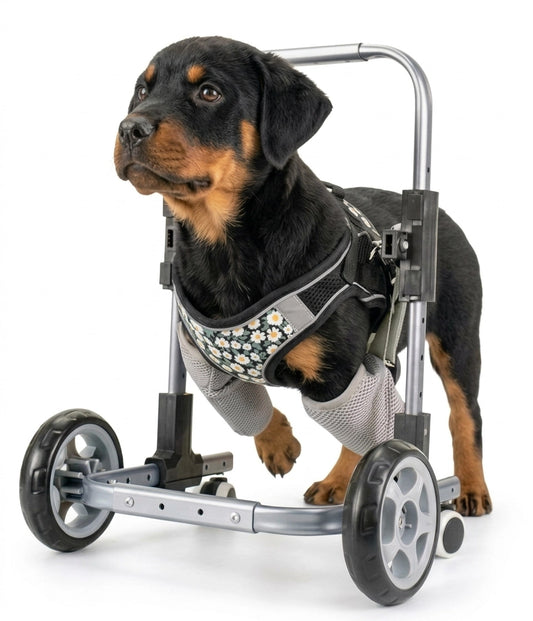
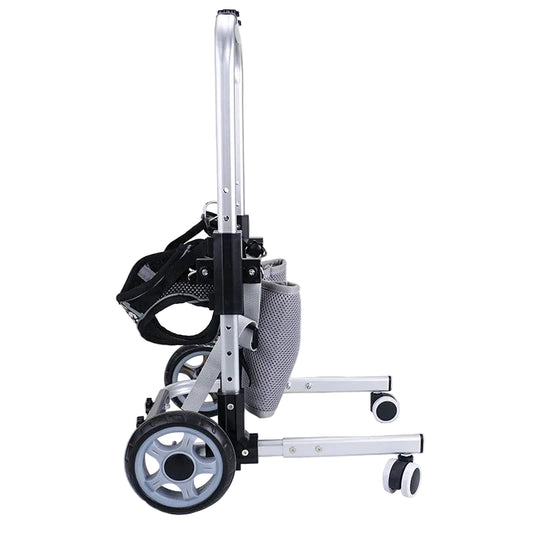
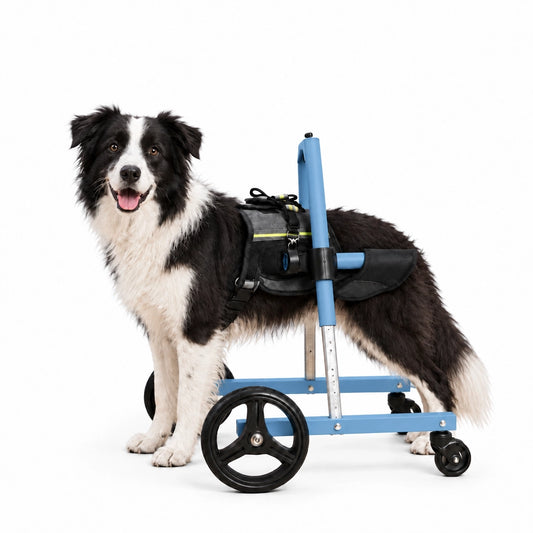
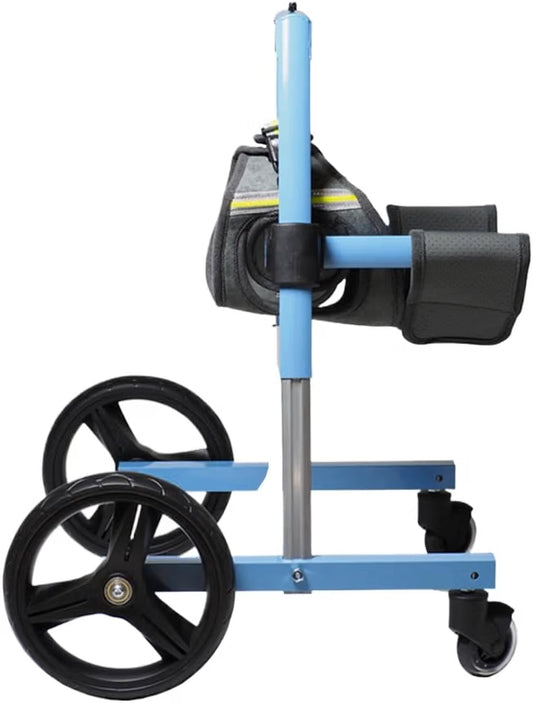
How Wheelchairs Help
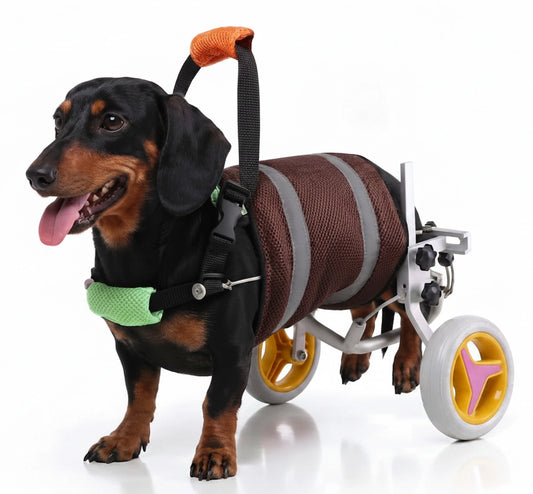
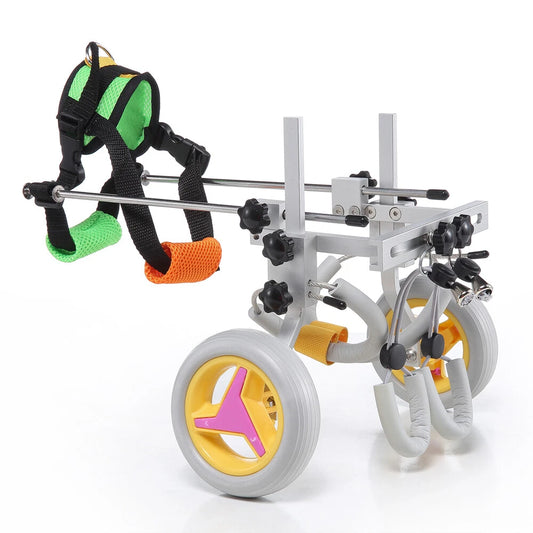
For dogs with IVDD-related hind leg weakness or paralysis, a rear support wheelchair can be life-changing. The wheelchair:
• Supports the weakened hind legs while allowing front leg movement
• Reduces pressure on the spine by distributing weight properly
• Enables exercise, which is crucial for maintaining muscle tone
• Provides independence and improves mental well-being
• Can be used during recovery from IVDD surgery
Many dogs with IVDD can live full, active lives with the support of a properly fitted wheelchair.
Degenerative Myelopathy (DM)
What Is DM?
Degenerative Myelopathy is a progressive neurological disease that affects the spinal cord, similar to ALS (Lou Gehrig's disease) in humans. It typically begins in the mid-to-late years of a dog's life and gradually worsens over time.
Breeds at Risk
DM is most common in:
• German Shepherds
• Boxers
• Corgis
• Rhodesian Ridgebacks
• Standard Poodles
• Chesapeake Bay Retrievers
A genetic test can identify dogs carrying the DM gene.
Symptoms and Progression
DM typically progresses through stages:
Early Stage (3-6 months):
• Loss of coordination in hind legs
• Wobbling when walking
• Dragging of hind paws
• Difficulty rising from a lying position
• Worn nails on hind feet from dragging
Middle Stage (6-12 months):
• Increased hind leg weakness
• Difficulty supporting weight on hind legs
• Muscle atrophy in the hind quarters
• Incontinence may begin
Late Stage (12+ months):
• Complete hind leg paralysis
• Weakness spreading to front legs
• Difficulty breathing (in advanced cases)
• Loss of bladder and bowel control
How Wheelchairs Help
Since DM is progressive, wheelchair needs may change over time:
• Early stages: A rear support wheelchair helps maintain mobility and exercise
• Middle stages: The wheelchair becomes essential for outdoor activities and exercise
• Advanced stages: A full support (quad) wheelchair may be needed if front legs weaken
Early introduction to a wheelchair helps dogs adapt before they lose all hind leg function. Regular exercise in a wheelchair can slow muscle atrophy and maintain overall health.
Hip Dysplasia
What Is Hip Dysplasia?
Hip dysplasia is a genetic condition where the hip joint doesn't develop properly. The ball and socket joint becomes loose, leading to deterioration, inflammation, and eventually arthritis. It's one of the most common orthopedic conditions in dogs.
Breeds at Risk
Large and giant breeds are most susceptible:
• German Shepherds
• Labrador Retrievers
• Golden Retrievers
• Rottweilers
• Great Danes
• Saint Bernards
• Bulldogs
However, any breed can develop hip dysplasia.
Symptoms
Signs of hip dysplasia can appear as early as four months or develop later in life:
• Difficulty rising or lying down
• Reluctance to run, jump, or climb stairs
• "Bunny hopping" gait (using both hind legs together)
• Decreased activity level
• Narrow stance in the hind legs
• Loss of muscle mass in the hind quarters
• Pain or stiffness, especially after rest
• Audible clicking or grinding in the hip joint
How Wheelchairs Help
For dogs with hip dysplasia, wheelchairs offer several benefits:
• Pain relief: By supporting the hind quarters, wheelchairs reduce weight and pressure on painful hip joints
• Exercise: Enables low-impact exercise that maintains muscle tone without stressing the hips
• Post-surgery support: Aids recovery after hip replacement or other surgical interventions
• Quality of life: Allows dogs to remain active and engaged despite hip pain
Wheelchairs are particularly valuable for dogs whose owners cannot afford expensive hip surgery or for senior dogs who aren't good surgical candidates.
Arthritis (Osteoarthritis)
What Is Arthritis?
Arthritis is the inflammation and degeneration of joints, leading to pain, stiffness, and reduced mobility. It's extremely common in senior dogs, with studies suggesting up to 80% of dogs over age eight have some degree of arthritis.
Risk Factors
• Age: Most common in senior dogs
• Breed: Large breeds are more susceptible
• Weight: Obesity significantly increases arthritis risk
• Previous injuries: Old fractures or ligament tears
• Genetics: Some breeds are predisposed
Symptoms
Arthritis symptoms often develop gradually:
• Stiffness, especially after rest
• Limping or favoring certain legs
• Difficulty with stairs or jumping
• Decreased activity and playfulness
• Irritability or behavioral changes
• Licking or chewing at painful joints
• Muscle atrophy from reduced use
How Wheelchairs Help
While arthritis affects multiple joints, wheelchairs can significantly improve quality of life:
• Reduced joint stress: Supporting weak legs reduces pressure on arthritic joints
• Maintained activity: Enables exercise without pain, which is crucial for joint health
• Weight management: Facilitates exercise that helps control weight, reducing joint stress
• Independence: Allows dogs to move freely despite joint pain
Wheelchairs work best as part of a comprehensive arthritis management plan including pain medication, supplements, and weight control.


Other Mobility Conditions
Amputation
Dogs who have lost a leg due to injury or cancer often adapt remarkably well. However, some dogs—especially larger breeds or those with other health issues—benefit from wheelchair support to:
• Reduce stress on remaining legs
• Improve balance and stability
• Enable longer walks and more activity
Neurological Conditions
Strokes, spinal injuries, and other neurological issues can cause sudden or progressive mobility loss. Wheelchairs provide:
• Immediate mobility restoration
• Support during rehabilitation
• Long-term assistance if recovery is incomplete
Post-Surgical Recovery
Wheelchairs can aid recovery from:
• ACL/CCL repair
• Spinal surgery
• Hip replacement
• Fracture repair
Temporary wheelchair use during recovery can prevent compensatory injuries and speed healing.
Recognizing When Your Dog Needs Help
Watch for these warning signs:
• Reluctance to go for walks
• Difficulty standing after rest
• Dragging or knuckling of paws
• Loss of muscle mass in the legs
• Changes in gait or posture
• Decreased interest in play
• Behavioral changes (irritability, depression)
Early intervention can make a significant difference in outcomes and quality of life.
Beyond Wheelchairs: Comprehensive Mobility Support
While wheelchairs are powerful tools, comprehensive mobility support may include:
• Physical therapy: Exercises and treatments to maintain strength and flexibility
• Pain management: Medications, supplements, or alternative therapies
• Weight management: Reducing stress on joints and the spine
• Environmental modifications: Ramps, non-slip flooring, raised food bowls
• Assistive devices: Harnesses, slings, boots for traction
Conclusion
Mobility issues don't have to mean the end of your dog's active, joyful life. Whether your dog is facing IVDD, DM, hip dysplasia, arthritis, or another condition, modern mobility aids—especially wheelchairs—can restore independence, reduce pain, and dramatically improve quality of life.
The key is early recognition, proper diagnosis, and a comprehensive support plan tailored to your dog's specific needs. With the right tools and care, dogs with mobility challenges can continue to run, play, and enjoy life alongside their families for years to come.
If you notice any signs of mobility issues in your dog, consult with your veterinarian promptly. Early intervention often leads to better outcomes and can help your beloved companion maintain their mobility and happiness well into their senior years.


Explore more:
🔍 EXPLORE MORE OPTIONS
Browse All Dog Wheelchairs Products
Compare sizes, features, and find the perfect mobility solution for your dog's needs.
View All Wheelchairs Products
🛡️
Adjustable & Customizable
💪
Lightweight & Durable
🐕
Veterinarian Approved


