
By BarkLoyal Team · December 1, 2025
Comfort Solutions for Aging Dogs
Creating a comfortable environment for your aging dog goes far beyond basic necessities. As dogs enter their senior years, their comfort needs become more complex and critical to their overall well-being. From orthopedic support to temperature regulation, pain management to emotional security, comprehensive comfort care can dramatically improve your senior dog's quality of life.
Senior Comfort Needs
Aging affects dogs' comfort in multiple ways. Joint pain and arthritis make lying on hard surfaces uncomfortable. Decreased muscle mass reduces natural cushioning. Temperature regulation becomes less efficient. Sleep patterns change, often requiring more rest. Anxiety may increase due to cognitive changes or sensory decline. Addressing these interconnected needs requires a holistic approach to comfort care.
Orthopedic Bedding
Quality sleep is essential for senior dogs, and the right bed makes all the difference. Orthopedic beds specifically designed for aging dogs offer crucial support. Memory foam beds conform to your dog's body, relieving pressure points and supporting joints. Egg-crate foam provides cushioning while promoting air circulation. Bolster beds offer head and neck support, particularly comforting for dogs who like to rest their heads. Heated orthopedic beds combine joint support with therapeutic warmth.
When selecting a bed, consider size appropriate for your dog to stretch out fully, washable covers for easy cleaning and hygiene, non-slip bottom to prevent sliding on smooth floors, appropriate thickness (at least 4-6 inches for large dogs), and easy entry with low or no sides for dogs with mobility issues.
Place beds in quiet areas away from household traffic, on the main living level to avoid stairs, away from drafts and temperature extremes, and in multiple locations so your dog doesn't have to travel far to rest.
Related Products
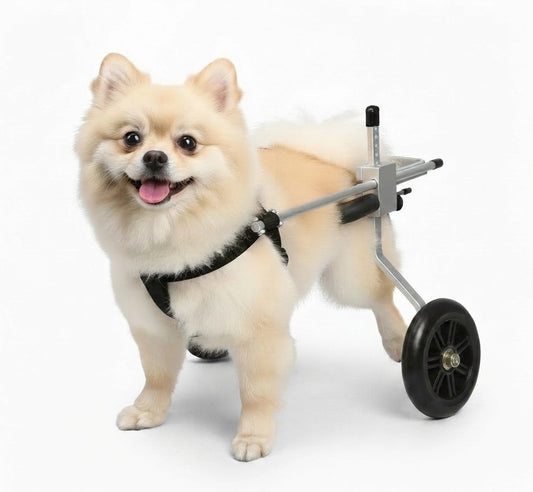
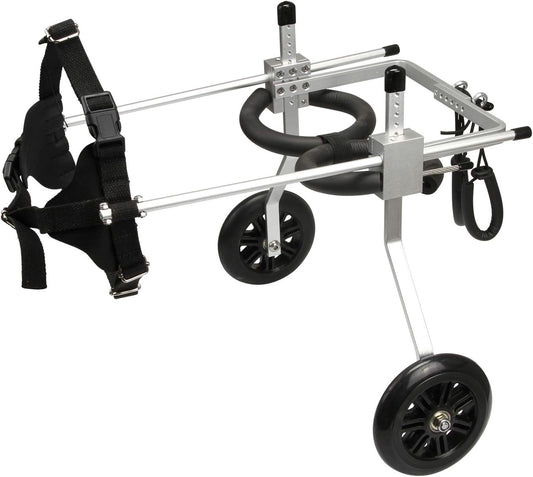
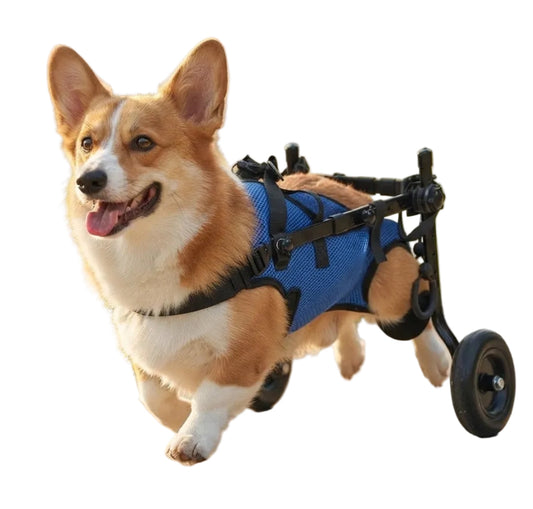
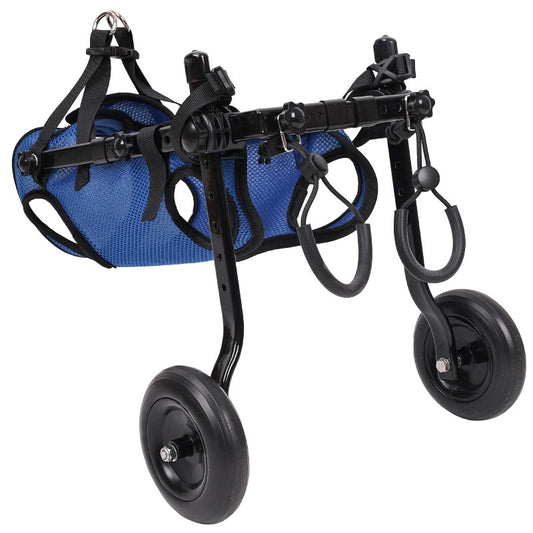
Heat and Cold Therapy
Temperature-based therapies offer significant comfort benefits for senior dogs. Heat therapy increases blood flow, relaxes muscles, reduces joint stiffness, and provides soothing comfort. Heated beds and pads offer continuous gentle warmth. Microwaveable heat packs provide targeted relief (always use covers to prevent burns). Warm baths can soothe aching muscles and joints.
Cold therapy reduces inflammation and swelling, numbs acute pain, and helps with injury recovery. However, cold therapy should only be used under veterinary guidance and never directly on the skin.
Massage Benefits
Gentle massage provides both physical and emotional comfort for senior dogs. Benefits include improved circulation, reduced muscle tension, pain relief, enhanced flexibility, stress reduction, and strengthened bond between you and your dog.
Learn basic canine massage techniques or consult a certified canine massage therapist. Focus on gentle, slow strokes along muscles, avoiding direct pressure on bones or painful areas. Watch your dog's body language and stop if they show discomfort. Many dogs find massage deeply relaxing and may fall asleep during sessions.
Temperature Control
Senior dogs often struggle to regulate body temperature effectively. In cold weather, provide warm bedding and blankets, consider dog sweaters or coats for thin-coated breeds, maintain comfortable indoor temperatures, and offer warm (not hot) sleeping areas away from drafts.
In warm weather, ensure access to cool, shaded areas, provide cooling mats or elevated beds for air circulation, never leave senior dogs in hot vehicles, offer fresh, cool water at all times, and limit exercise during peak heat hours.
Pain Management
Chronic pain significantly impacts comfort and quality of life. Comprehensive pain management may include prescription medications from your veterinarian, joint supplements like glucosamine, chondroitin, and MSM, omega-3 fatty acids for anti-inflammatory effects, CBD products (consult your vet first), acupuncture for pain relief, and laser therapy to reduce inflammation.
Always work with your veterinarian to develop an appropriate pain management plan. Never give human pain medications to dogs.
Home Accessibility
Making your home more accessible reduces stress and prevents injury. Install non-slip flooring or rugs to prevent falls. Use ramps to eliminate jumping. Provide adequate lighting for dogs with vision problems. Remove obstacles from pathways. Use baby gates to block dangerous areas like stairs. Keep essentials (food, water, beds) easily accessible. Consider raised feeding stations to reduce neck strain.


Grooming Comfort
Regular grooming contributes significantly to senior dog comfort. Brushing prevents painful mats and tangles, stimulates circulation, and provides bonding time. Nail trimming prevents overgrown nails that affect gait and cause discomfort. Dental care prevents painful dental disease. Bathing with gentle products soothes skin and removes debris. Ear cleaning prevents infections that cause discomfort.
Senior dogs may have less tolerance for lengthy grooming sessions. Keep sessions short and gentle, use soft brushes appropriate for sensitive skin, and provide treats and praise to create positive associations.
Mental Well-being
Emotional and cognitive comfort are as important as physical comfort. Senior dogs may experience anxiety, confusion, or cognitive dysfunction. Support mental well-being through consistent routines that provide security, gentle mental stimulation with puzzle toys, continued social interaction with family, patience with accidents or confusion, night lights for dogs with vision problems or cognitive issues, and calming supplements or medications if recommended by your vet.
Nutrition for Comfort
Proper nutrition supports overall comfort and health. Senior-specific diets address changing nutritional needs. Softer foods may be necessary for dogs with dental issues. Smaller, more frequent meals can aid digestion. Elevated feeding bowls reduce neck and back strain. Always ensure fresh water is readily available, as hydration becomes increasingly important with age.
Emotional Security
Never underestimate the comfort provided by your presence and affection. Senior dogs often become more attached to their families and may experience anxiety when separated. Spend quality time together daily. Provide reassurance during stressful situations. Maintain familiar routines. Continue gentle play and interaction appropriate for their energy levels. Consider whether your dog would benefit from a companion animal or prefers solitude.
Comfort Zones
Designate specific comfort zones throughout your home where your senior dog can retreat for rest and security. These areas should include orthopedic bedding, appropriate temperature control, low noise and activity levels, easy access without stairs or obstacles, and familiar scents and items.
Monitoring Comfort
Regularly assess your dog's comfort by observing sleep quality and duration, appetite and eating behavior, mobility and willingness to move, interaction with family, signs of pain or distress, and overall demeanor and happiness.
Adjust comfort measures based on these observations and changing needs.
When to Consult Your Vet
Seek professional advice if you notice signs of unmanaged pain, sudden changes in behavior or comfort levels, decreased appetite or water intake, difficulty breathing or excessive panting, or any concerning symptoms.
Your veterinarian can identify underlying health issues and recommend appropriate treatments to improve comfort.
Conclusion
Providing comprehensive comfort care for your senior dog is one of the most loving gifts you can offer. By addressing physical, emotional, and environmental comfort needs, you can significantly enhance your aging companion's quality of life. Remember that comfort needs evolve over time, requiring ongoing attention and adjustment. With dedication and compassion, you can ensure your senior dog's golden years are truly golden-filled with warmth, security, and contentment.


Explore more:
🔍 EXPLORE MORE OPTIONS
Browse All Dog Senior Products
Find the perfect comfort solutions for your senior dog.
View All Senior Products
💤
Orthopedic Support
🦴
Gentle & Safe
🐕🦺
Age-Appropriate Design


